

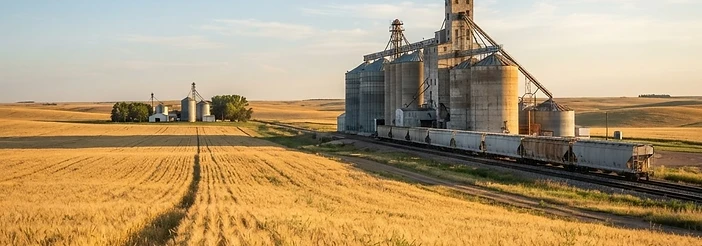
Agrodity Outlook
2026 Commodity Outlook
A practical, farmer-first breakdown of potential 2026 market drivers, risks, and a checklist you can use for marketing and margin planning.
Jul 25, 2026· Agrodity
Read analysis USA Market News
Daily grain market updates from USDA, farm journals, and industry sources plus Agrodity's farmer-first analysis of what moves corn, soybeans, wheat and sorghum.
A practical, farmer-first breakdown of potential 2026 market drivers, risks, and a checklist you can use for marketing and margin planning.
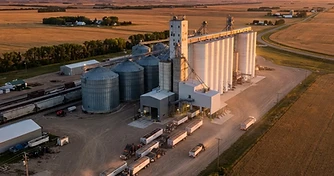
USDA reports indicate tightening corn and soybean supplies as export demand and production adjustments reshape the market landscape for U.S. farmers.
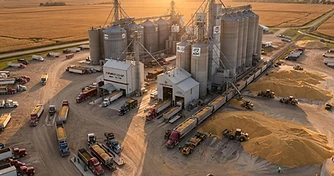
Abundant corn stocks and soft export demand are weighing on prices as the 2026 harvest accelerates across the Midwest.
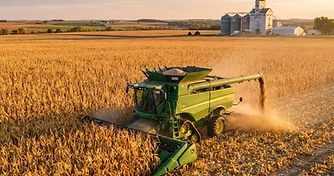
Grain markets are finding support from robust export data and shifting yield forecasts as farmers move into the heart of the 2026 harvest season.
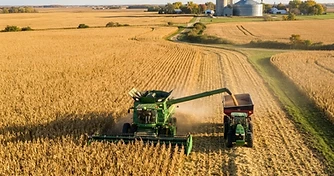
As the U.S. harvest accelerates, farmers face a complex market landscape defined by shifting export demand and anticipation of key USDA inventory data.
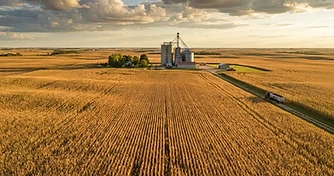
As harvest approaches, U.S. grain markets are balancing shifting weather forecasts against evolving export demand and global supply constraints.
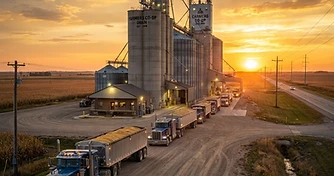
As harvest accelerates and traders position for the upcoming USDA WASDE report, farmers must balance seasonal selling pressure with resilient export demand.
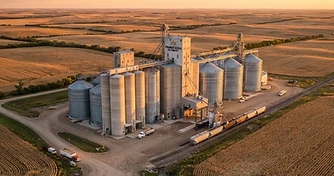
Grain markets are holding steady as traders position for the upcoming USDA WASDE report, balancing near record corn yields against global export uncertainty.
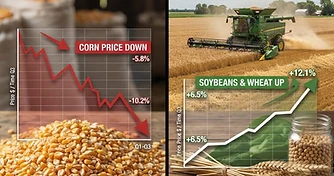
USDA's Grain Stocks report revealed higher than expected corn inventories, pressuring futures. Soybeans showed resilience due to tight supplies.
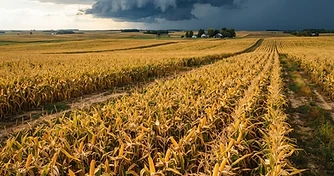
Grain markets are surging as Midwest flooding risks and renewed Chinese soybean buying create new momentum for corn, soybeans, and wheat prices.
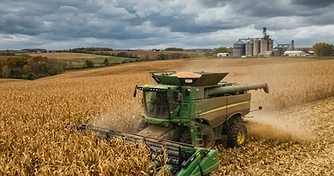
Midwestern rains are slowing harvest progress while traders brace for the latest USDA Grain Stocks report to set the tone for new crop pricing.
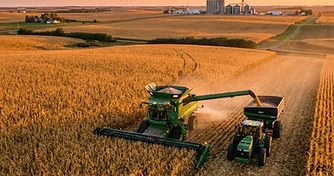
As harvest gains speed across the Corn Belt, farmers must balance local yield data against shifting international demand and logistical pressures.
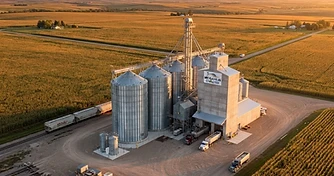
As harvest approaches, farmers face critical pricing decisions while markets brace for potential yield adjustments in the upcoming USDA September report.

As record soybean production forecasts for 2026/27 hit the market, farmers must navigate evolving crush demand and global supply pressures.
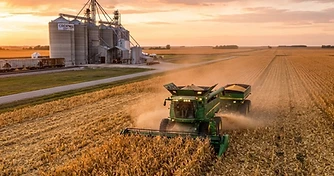
As harvest accelerates, farmers must balance yield results against shifting export demand and storage capacity to optimize their grain marketing strategy.
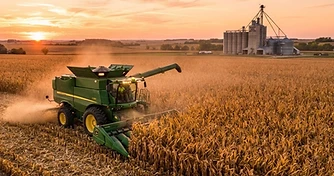
As corn harvest hits 13 percent, farmers face a critical window to manage price risk amid shifting USDA yield expectations and late summer weather stress.
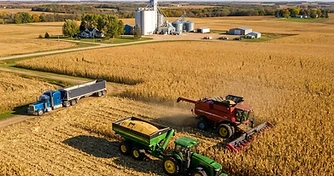
As the U.S. corn harvest reaches 13 percent completion, farmers are balancing steady crop conditions against shifting supply and demand expectations.
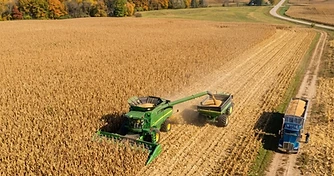
As harvest gains speed across the Midwest, farmers are navigating a complex market defined by tightening ending stocks and evolving crop conditions.
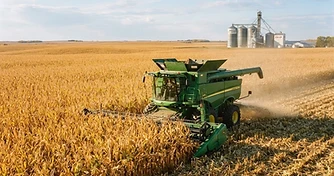
As harvest gains momentum, farmers must balance yield reports against shifting futures prices to protect their bottom line.
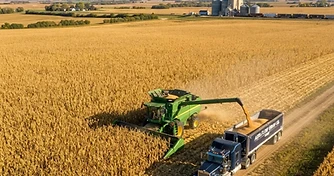
As corn harvest gains speed across the U.S. heartland, farmers face a complex market environment defined by yield variability and shifting price trends.
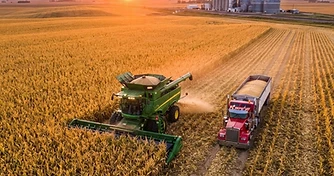
As harvest activity gains momentum across the Corn Belt, U.S. grain markets are navigating increased supply pressure and shifting export demand.
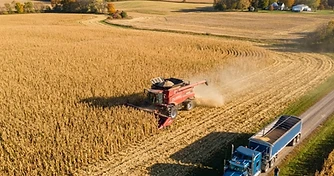
Corn harvest gains speed across the Midwest while traders continue to debate the true size of the crop following recent USDA data adjustments.
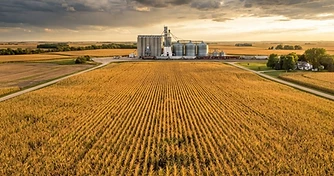
Grain markets are experiencing significant price swings driven by weather concerns, geopolitical tensions, and shifting export demand.
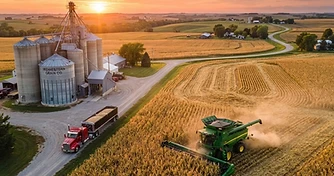
As U.S. harvest gains momentum, farmers must balance early yield reports with shifting export demand and ongoing geopolitical supply risks.
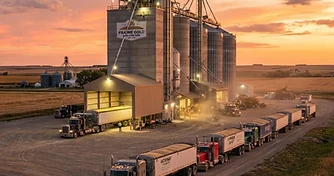
The latest USDA report confirms record soybean production and steady corn yields, forcing farmers to navigate a complex landscape of basis and supply.
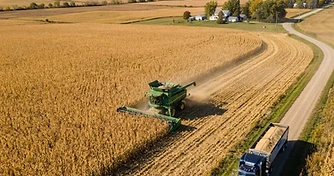
The latest USDA report confirms record soybean production and steady corn yields, signaling a critical time for producers to manage basis and storage.
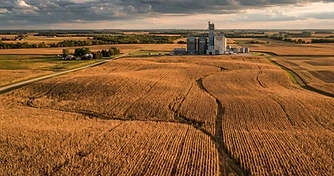
Grain markets are reacting to shifting weather patterns and renewed export demand as the industry moves past the August WASDE report.
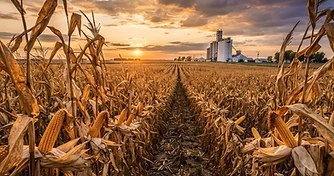
Unpredictable moisture patterns across the Corn Belt are delaying early harvest and testing local basis levels as farmers navigate a complex window.
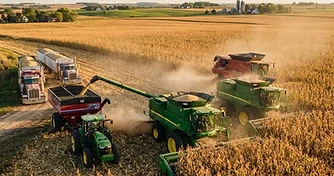
USDA trimmed corn yields to 178.5 bpa while managed funds took profits, leaving commercial basis bids vulnerable as fall harvest kicks off.
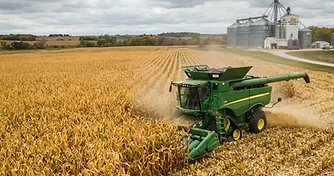
USDA trimmed corn yields while soybeans held steady, leaving farmgate cash basis and Black Sea wheat swings as the real profit drivers.
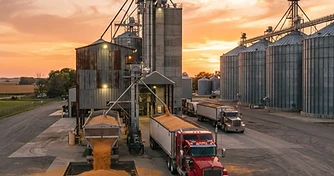
USDA cuts projected feed grain ending stocks while harvest pressure tests local cash basis, demanding disciplined physical marketing.
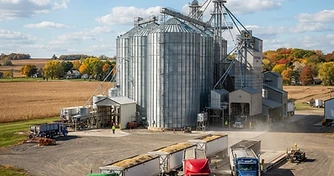
Record domestic crush volumes offer firm support for cash soybeans even as shifting export demand creates sharp regional basis differences across the Corn Belt.
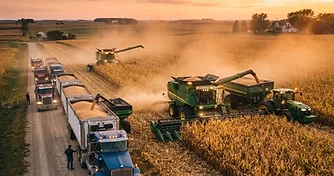
Surging fuel costs collide with steady export demand, shifting fall cash basis and forcing farmers to recalculate field to elevator logistics.

Pre WASDE positioning, active Chinese export demand, and wide river basis dictate early fall marketing strategy for U.S. corn, soybeans, and wheat.
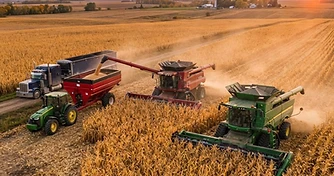
Rising harvest fuel costs and shifting export pace force U.S. grain producers to defend margins ahead of key crop updates.
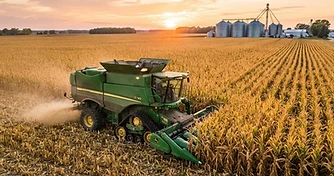
Ample crop projections and steady condition ratings pressure cash basis, creating crucial marketing decisions for grain growers ahead of harvest.
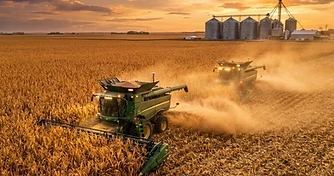
Grains hit profit-taking as Black Sea peace talks stir, while resilient soybean export demand and tight yield conditions reshape harvest marketing plans.
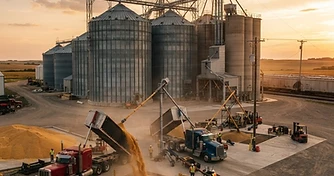
Grains pause after multi-year highs as speculative funds take profits on Black Sea headlines and pre-harvest positioning.
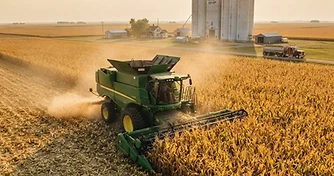
Extreme heat across the Corn Belt and ongoing Black Sea disruptions are tightening global supplies as the 2026 harvest begins.
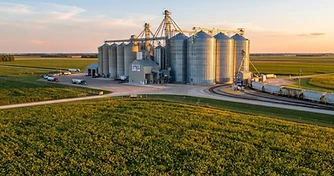
U.S. grain markets are rallying as soybean demand from China returns and crop ratings decline, creating new opportunities for producers to manage risk.
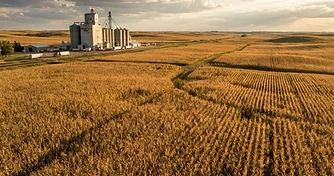
As harvest approaches, recent USDA data shows tightening corn and wheat stocks alongside fluctuating crop conditions, signaling potential market volatility.
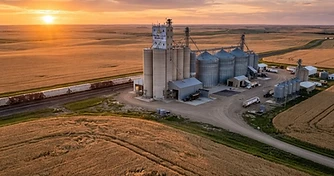
Wheat prices rally on global conflict while corn and soybeans face profit taking as traders weigh weather risks and fund activity.
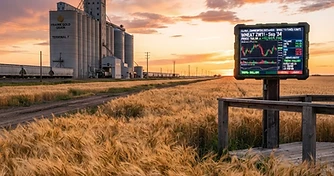
Grain markets are experiencing sharp swings as geopolitical tensions drive wheat higher while corn and soybeans face end of month profit taking.
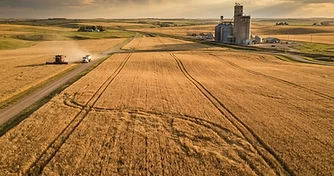
Wheat futures have surged past eight dollars per bushel as export demand and ongoing Black Sea supply concerns create new pricing opportunities for farmers.
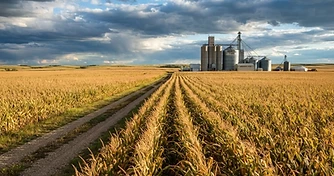
Recent crop ratings and yield projections are fueling market volatility as farmers and buyers navigate tightening supply expectations.
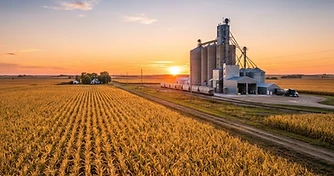
Grain markets are navigating a complex landscape as Pro Farmer Crop Tour results and Black Sea tensions create new price discovery challenges for producers.
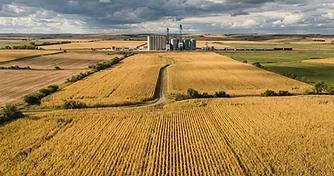
Grain markets are experiencing sharp swings as traders digest disappointing crop tour results and ongoing geopolitical risks in the Black Sea region.
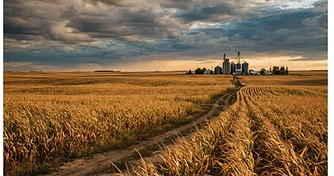
As harvest approaches, farmers must balance shifting export demand with late season weather volatility impacting corn and soybean yield potential.
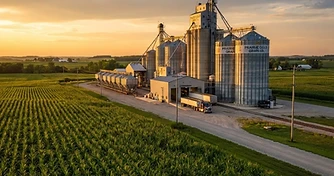
Following the August USDA report, grain markets are recalibrating as traders weigh new supply data against shifting export demand and late season weather.
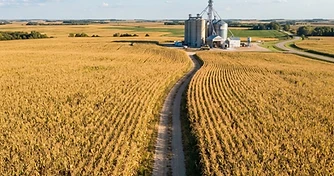
Recent USDA data and crop tour findings are fueling market volatility as farmers weigh yield potential against shifting global export demand.
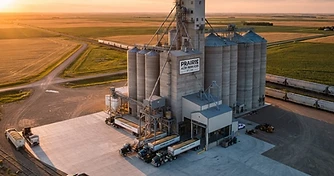
Grain markets are reacting to failed Black Sea peace talks and tighter U.S. feed grain stocks, creating a complex environment for producers and buyers.
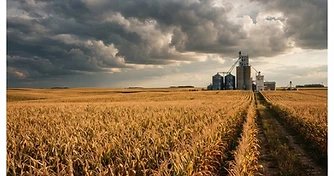
Grain markets are finding support as traders pivot from WASDE report data to focus on late season weather risks and tightening yield potential.
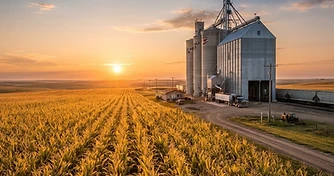
With the August WASDE report behind us, grain markets are shifting focus toward late summer weather patterns and strengthening export demand.
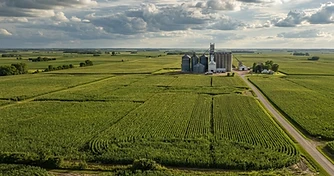
Grain markets cooled after the August WASDE report as technical selling and profit taking shifted focus back to late August weather and crop development.
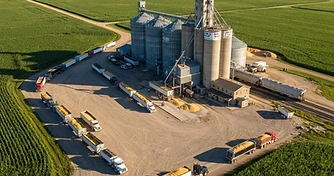
As traders prepare for the upcoming USDA report, farmers should focus on local basis and storage capacity rather than just headline futures volatility.
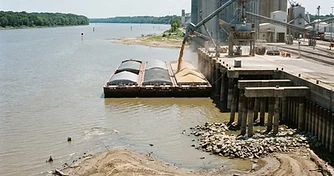
With record yields looming and Mississippi River levels falling, the 2026 harvest will be won or lost on basis management and logistics, not just futures.
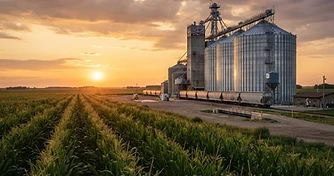
Favorable weather and aggressive yield estimates are pushing grain futures lower; here is how to protect your physical margins before the August WASDE.
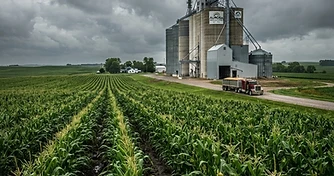
Timely Midwest rains have boosted yield potential but sent futures to multi-week lows, forcing farmers to rethink late-season marketing strategies.

While futures markets focus on record yield projections, physical grain participants must navigate escalating Black Sea risks and tightening river logistics.

Protect grain margins as record yield potential meets Mississippi River barge constraints. Strategy for the 2026 August WASDE and harvest basis.

Condition ratings are slipping just as pod-fill begins. Here is how U.S. grain farmers can manage basis and logistics risk before the harvest rush.

Record corn and soybean projections are meeting extreme river logistics hurdles. Here is how to manage basis and storage as the 2026 harvest supply wall hits.
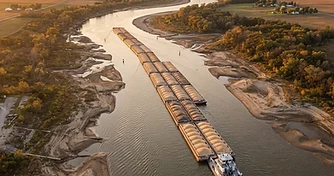
As Mississippi River levels drop and barge rates climb, farmers must act now to protect their harvest basis from widening logistics costs.
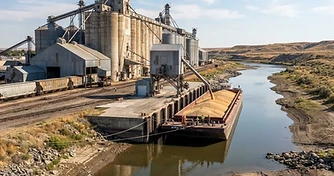
With Mississippi River levels dropping and USDA acreage updates settled, U.S. grain farmers must pivot to managing basis risk and logistics for fall delivery.
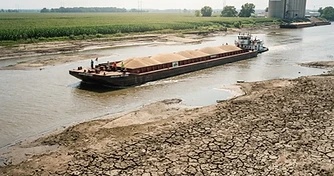
Declining crop ratings and a shrinking Mississippi River are creating a high-stakes marketing window for U.S. corn and soybean producers this harvest season.
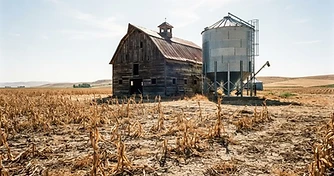
Grain futures saw a surprise selloff as traders prioritized rainfall forecasts over current heat stress. Here is how to manage your marketing strategy.
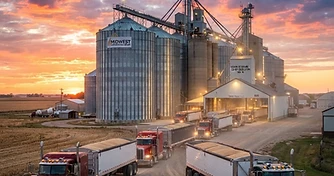
Global supply disruptions in Russia and Brazil combined with U.S. planting delays have triggered a significant rally in grain futures this season.
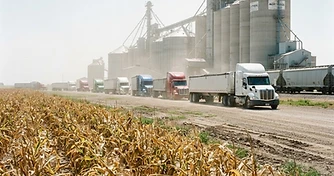
A persistent Midwest heat dome is injecting weather premiums into grain futures, offering farmers a strategic window to price 2026 production before August.
We use cookies to operate this site and improve your experience. See our Cookie Policy.


