All postsMarket Analysis
Harvest Pace and Yield Data: Navigating September Market Shifts
As harvest gains momentum, farmers must balance yield reports against shifting futures prices to protect their bottom line.
September 24, 2026· By Agrodity
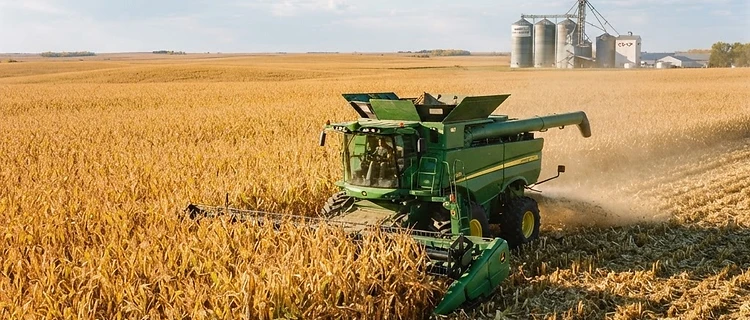
Agrodity quick take: Harvest is officially underway across the Midwest, bringing real-time yield data to the forefront of market discussions. With USDA reports signaling potential adjustments to production estimates, producers should focus on managing basis and securing revenue during this period of heightened volatility. ## What's happening: Recent USDA data indicates that corn harvest is progressing, with early reports showing a crop condition rated at 57 percent good to excellent. Markets are currently reacting to late summer weather stress, which has fueled speculation regarding final yield numbers. Futures prices for corn and soybeans have seen fluctuations as traders digest the latest production outlooks and export demand signals. Global coarse grain production projections for the 2026/27 marketing year have been revised downward, adding another layer of complexity to current price discovery. ## Why it matters for grain marketing: For the American farmer, this is a critical window where field reality meets market perception. When USDA figures deviate from local yield observations, the resulting price swings can create significant opportunities or risks for unpriced grain. Because speculative positioning remains heavy, any surprise in upcoming reports could trigger sharp corrections, making it essential to have a clear plan for your remaining inventory. Understanding your local basis is more important than ever as elevators manage logistics and storage capacity during the peak of the harvest rush. ## Agrodity playbook: 1. Monitor your local basis levels daily to identify opportunities where regional demand might be outperforming national futures trends. 2. Review your storage capacity and drying costs to determine if holding grain for a potential post-harvest rally is financially viable for your operation. 3. Utilize forward contracts or hedge-to-arrive agreements to lock in prices on a portion of your crop, reducing exposure to sudden market corrections. 4. Keep a detailed log of your own yield results to compare against regional averages, which can help inform your marketing strategy for the remainder of the season.
corn soybeans harvest grain marketing