Late Season Weather Risks and Export Shifts: Navigating the Grain Market
As harvest approaches, farmers must balance shifting export demand with late season weather volatility impacting corn and soybean yield potential.
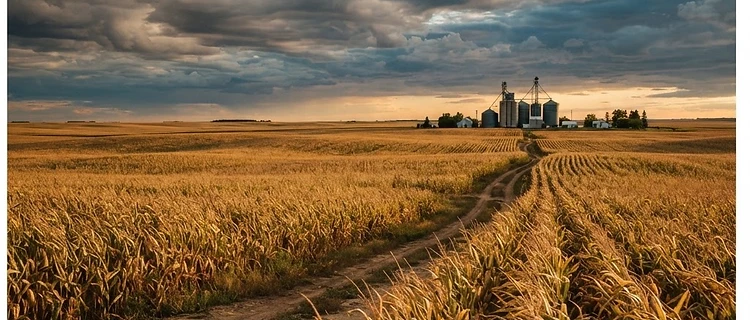
Agrodity quick take: Weather and Export Dynamics
Recent market activity is being driven by a tug of war between late season weather concerns in the U.S. Corn Belt and fluctuating global export demand. Farmers should prepare for continued price volatility as the market shifts focus from crop condition ratings to actual harvest results and logistical capacity.
What's happening
- Corn futures have seen technical support following slight declines in USDA crop condition ratings, keeping the market sensitive to late summer heat and moisture patterns.
- Soybean prices are showing resilience, supported by strength in soyoil and technical momentum that has pushed futures toward three week highs.
- Wheat markets remain volatile, influenced by corrective buying and ongoing concerns regarding Black Sea shipping disruptions.
- Export data shows a mixed picture, with some improvement in global buying interest, though overall sales remain behind the pace of previous years.
- Logistics and basis levels are becoming critical as the industry prepares for the upcoming harvest, with regional variations in cash bids reflecting local supply and demand.
Why it matters for grain marketing
For the U.S. producer, the current environment demands a disciplined approach to risk management. While weather risks during the final reproductive stages of corn and soybeans can still swing yields, the broader market is increasingly influenced by global competition from Brazil and the Black Sea region. Understanding your local basis is more important than ever, as logistical constraints and storage availability will dictate the net price you receive at the elevator.
Farmers should not rely solely on futures prices to gauge profitability. With the potential for harvest pressure on basis levels, identifying opportunities to lock in favorable local bids now can protect margins against a potential seasonal slide in cash prices.
Agrodity playbook
- Monitor local basis levels daily to identify opportunities where regional demand creates a premium for your grain.
- Review your on farm storage capacity and logistics plan to ensure you can hold grain if local basis weakens significantly during the peak of harvest.
- Use technical indicators to identify potential sell targets for unpriced inventory, rather than waiting for a market top that may be limited by global export competition.
- Evaluate your input costs against current forward contract offers to determine if locking in a portion of your production now provides a necessary safety net for your operation.