Harvest Momentum and Shifting Supply Outlooks
As harvest gains speed across the Midwest, farmers are navigating a complex market defined by tightening ending stocks and evolving crop conditions.
Agrodity quick take
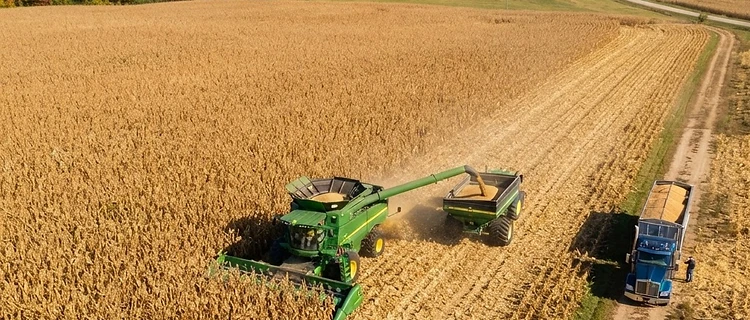
Harvest is officially underway with early progress reports showing steady movement across the Corn Belt. While crop conditions remain a focal point for traders, the latest USDA data suggests that tightening ending stocks for the 2026/27 marketing year are beginning to influence market sentiment.
What's happening
- Corn harvest is advancing, with early reports indicating 8 percent of the crop is already out of the field.
- Crop conditions are holding at 57 percent good to excellent, reflecting the impact of variable weather patterns throughout the growing season.
- USDA reports indicate a downward revision in 2026/27 feed grain ending stocks, driven largely by stronger than anticipated usage and export demand.
- Futures markets are reacting to these supply adjustments, with traders closely monitoring the pace of harvest to gauge final yield potential against earlier projections.
Why it matters for grain marketing
The shift in ending stocks is a critical signal for producers. When usage expectations outpace production estimates, it creates a tighter supply environment that can support basis levels even if futures prices face seasonal harvest pressure. For farmers, this means the traditional harvest lows may not be as deep as in previous years, provided export demand remains consistent.
Understanding your local basis is more important than ever. As physical grain begins to move into elevators, regional logistics and storage capacity will dictate the strength of your local cash bids. Monitoring how these bids hold up against futures volatility will be the key to maximizing your net return this season.
Agrodity playbook
- Track your local basis daily: Use the Agrodity platform to compare cash bids at nearby elevators to identify the best selling opportunities in your immediate area.
- Evaluate storage versus sale: If local basis is weak due to harvest gluts, consider utilizing on farm storage to wait for the post harvest basis recovery.
- Review your marketing plan: Ensure you have clear price targets for your remaining unpriced bushels to avoid emotional selling during peak harvest pressure.
- Monitor export demand: Keep an eye on weekly export sales reports, as sustained international interest is currently providing a floor for corn and soybean prices.