Physical Market Pivot: Why Logistics Now Outweigh WASDE Yield Numbers
With record yields looming and Mississippi River levels falling, the 2026 harvest will be won or lost on basis management and logistics, not just futures.
Agrodity quick take
While the upcoming August 12 WASDE is expected to confirm record-breaking yield potential, the physical grain market has pivoted its focus to a widening basis driven by critical lows on the Mississippi River. Farmers must prioritize securing delivery windows and basis floors now to avoid being trapped by soaring freight costs as the harvest supply wall approaches.
What's happening
- Record Yield Projections: Pre-report estimates for the 2026 crop year suggest a massive supply surge, with corn production potentially reaching 17.02 billion bushels and soybean production estimated at 4.47 billion bushels.
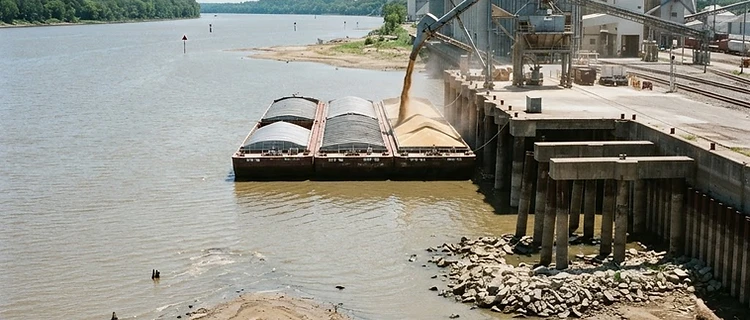
- Mississippi River Crisis: Gauges at Memphis have dropped below -5 feet, forcing barge operators to reduce tow sizes and load drafts. This has pushed river freight rates nearly 300% higher than seasonal benchmarks.
- Export Demand Mixed: Mexico remains a record-setting buyer of U.S. corn, providing a steady floor for interior rail bids, while soybeans and sorghum are seeing an uptick in flash sales to China despite heavy competition from South America.
- Futures vs. Physical: While Chicago futures are testing year-to-date lows near $4.10 for corn, regional basis variability is increasing, with river terminals widening discounts to account for the logistical bottleneck.
Why it matters for grain marketing
The "paper" price of grain is already reflecting the massive incoming supply, but for the U.S. producer, the real risk is the cost of moving that grain. When river levels drop, the efficiency of the entire U.S. export corridor erodes, and elevators pass that cost directly to the farmer through a weaker basis.
If you are holding unpriced bushels for harvest delivery, you are facing a "double whammy": a potentially bearish WASDE report followed by a logistical blowout that could make local bids even more painful. In a year of high volume, "space" becomes a commodity of its own. Buyers are no longer just bidding for your grain; they are bidding for their own limited capacity to move it.
Agrodity playbook
- Lock in Basis Now: Don't wait for the harvest rush to find a home for your grain. Use the Agrodity marketplace to bid out your basis for October and November delivery while terminals still have open logistics slots.
- Leverage On-Farm Storage: If you have the capacity, plan to store grain to bypass the current river freight spike. Historical trends suggest basis improves in the late winter once river levels typically recharge.
- Target Interior Buyers: Look for domestic processors, ethanol plants, or interior rail loaders on the Agrodity platform that are less dependent on river levels and currently offering more competitive bids than Gulf-reliant terminals.
- Update Quality Specs: For sorghum and wheat producers, ensure your quality data is current. With a high-volume crop, buyers will be more selective; having verified high-quality specs can help you capture premium niche bids.