All postsMarket Analysis
Geopolitical Premiums and Profit Taking: Navigating Late August Grain Volatility
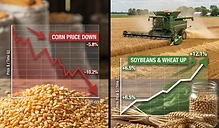
Grain markets are experiencing sharp swings as geopolitical tensions drive wheat higher while corn and soybeans face end of month profit taking.
August 30, 2026· By Agrodity
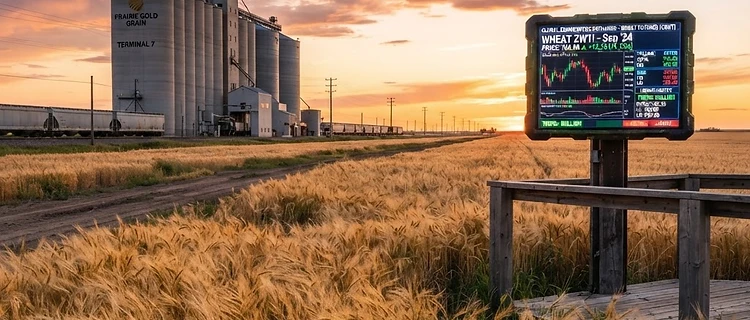
Agrodity quick take: Geopolitical premiums are injecting fresh volatility into the grain complex, particularly for wheat, as global supply risks remain at the forefront. While corn and soybeans have seen recent profit taking, the underlying trend remains supported by fund buying on price breaks, signaling that the market is far from settled as we approach the final stretch of the season. ## What's happening: Recent market activity has been defined by several key developments: Wheat futures have rallied on renewed geopolitical concerns, adding a war premium to global supply chains. Corn and soybean futures have experienced profit taking as traders adjust positions toward the end of the month. Trend following funds continue to view price breaks as buying opportunities, providing a floor for the market. USDA data indicates that U.S. corn exports are seeing strong global demand, helping to offset some of the bearish pressure from record production forecasts. Crop conditions remain a focal point, with corn and soybean ratings showing sensitivity to late season weather patterns. ## Why it matters for grain marketing: For the U.S. producer, this environment creates a complex pricing landscape. The combination of geopolitical uncertainty and fund activity means that price swings can be rapid and disconnected from local fundamentals. While the market is currently digesting record production expectations, the willingness of funds to buy the dips suggests that the market is sensitive to any supply disruption. Farmers should recognize that while the macro picture is volatile, local basis levels and regional demand remain the most critical factors for individual profitability. ## Agrodity playbook: 1. Monitor local basis: With futures volatility high, focus on your local basis levels to identify opportunities where regional demand might be stronger than the national average. 2. Evaluate breakeven costs: Given the ongoing pressure from high input costs, use current rallies to price a portion of your crop that covers your specific production expenses. 3. Avoid emotional selling: Do not let daily headlines dictate your entire marketing strategy; use scale in orders to capture value during fund driven price spikes. 4. Stay liquid: Keep your delivery logistics flexible to take advantage of sudden shifts in regional elevator demand.
corn soybeans wheat market analysis grain marketing