Domestic Crush Surge Meets Export Realities: Marketing Fall Soybeans
Record domestic crush volumes offer firm support for cash soybeans even as shifting export demand creates sharp regional basis differences across the Corn Belt.
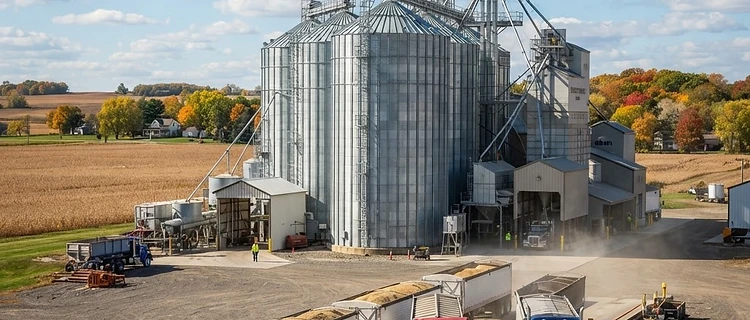
Agrodity quick take
Record domestic crush capacity is reshaping the traditional harvest dynamic across the American soybean complex. While export commitments to key overseas destinations remain sluggish, domestic processors are stepping up to absorb supply, creating stark basis divergences between river terminals and interior processing plants. For growers and merchandisers, understanding where crush margins are pulling physical grain is the difference between capturing strong cash margins and absorbing steep delivery penalties.
What's happening
- Record Domestic Processing: The USDA Economic Research Service projects domestic soybean crush to set a fresh record near 2.61 billion bushels, fueled by sustained commercial demand for soybean meal and soybean oil.
- Export Pace Deceleration: While corn export commitments maintain a strong annual pace, soybean export sales continue to run well behind historical averages as South American export competition remains elevated and Chinese direct buying shows hesitation according to Brownfield Ag News and farmdoc daily.
- Regional Cash Basis Divergence: Interior processors and feed mills are bidding aggressively for direct farm deliveries, while Gulf export terminals and river outlets reflect weaker basis bids due to muted ocean export line-ups.
- Futures Consolidation: Soybean futures continue testing overhead resistance near key psychological price points, with fund positioning caught between high domestic industrial consumption and ample global oilseed ending stocks.
Why it matters for grain marketing
The soybean market is no longer governed solely by Gulf barge freight and Pacific Northwest export shipments. The historic growth in processing capacity for renewable fuels and livestock feed has anchored strong demand inside local draw areas. For growers sitting within practical hauling distance of crush plants, local processor bids often command significant basis premiums over traditional elevator networks.
Conversely, producers relying on export lanes must navigate softer basis patterns and wider transport spreads. Treating all soybean bids as uniform during harvest will leave substantial money on the table. With farm storage costs and working capital carrying higher financial weight, knowing the exact freight parity to competing processing facilities versus river terminals will dictate profitable delivery schedules.
Agrodity playbook
- Map Interior Delivery Radii: Calculate freight costs to regional processing plants rather than automatically hauling to the closest country elevator. Interior processors frequently post basis incentives that more than cover extra road miles.
- Separate Futures from Basis Decisions: If rallies in the futures complex encounter resistance, consider locking in historically attractive local basis contracts for post harvest delivery while leaving cash flat price options open.
- Audit Farm Storage Space: Allocate available bins to crops facing wider harvest delivery discounts, such as river corridor beans, while moving cash grain directly into domestic crush channels where spot delivery discounts are lower.
- Monitor Processing Margins: Track local board crush margins; whenever processor margins compress, local basis strength can vanish quickly, making early harvest commitments advantageous.