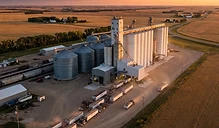
Harvest Momentum Meets Global Export Shifts
As harvest gains speed across the Corn Belt, farmers must balance local yield data against shifting international demand and logistical pressures.
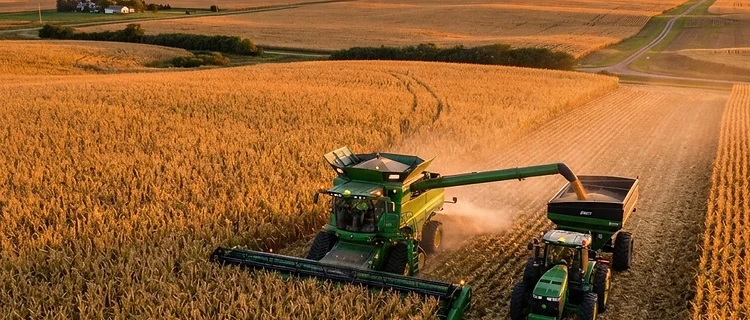
Agrodity quick take
As harvest operations accelerate across the U.S. heartland, farmers are navigating a complex landscape where strong domestic production potential meets volatile global export demand. The key takeaway for producers is to monitor local basis levels closely as logistical costs rise and international buyers adjust their purchasing strategies.
What's happening
- Harvest activity is building momentum across major producing states as USDA reports track field progress and crop conditions.
- Recent data shows a surge in U.S. soybean sales to China, with nearly 1 million metric tons purchased in late August alone.
- Ocean freight rates for grain shipments to Japan have increased, impacting the cost of moving corn and soybeans through Gulf and Pacific Northwest routes.
- Global market sentiment remains sensitive to geopolitical disruptions, particularly in the Black Sea region, which continues to influence wheat price volatility.
- The USDA continues to modernize farm data collection, providing more granular insights into production and supply chain efficiency.
Why it matters for grain marketing
For the American farmer, the current market environment is defined by the tension between high supply expectations and the structural vulnerability of export dependency. While recent sales to China provide a necessary floor for soybean prices, the reliance on a single major buyer creates significant risk. Producers should recognize that local basis is no longer just a reflection of regional supply, but is increasingly tied to the rising costs of international logistics and ocean freight.
Understanding these dynamics is critical for effective forward pricing. As harvest yields become clearer, the ability to differentiate between temporary price spikes caused by global supply chain disruptions and long term demand trends will be the difference between a profitable season and missed opportunities.
Agrodity playbook
- Monitor your local basis daily to identify opportunities where regional demand offsets broader market weakness.
- Evaluate your storage capacity and consider holding a portion of your crop if local basis is currently depressed by harvest time logistics.
- Review your forward contracts to ensure they account for current transportation cost volatility.
- Diversify your marketing strategy by looking at alternative delivery points or end users beyond traditional export channels.