All postsMarket Analysis
Navigating September Market Volatility Ahead of USDA Reports
As harvest approaches, farmers face critical pricing decisions while markets brace for potential yield adjustments in the upcoming USDA September report.
September 30, 2026· By Agrodity
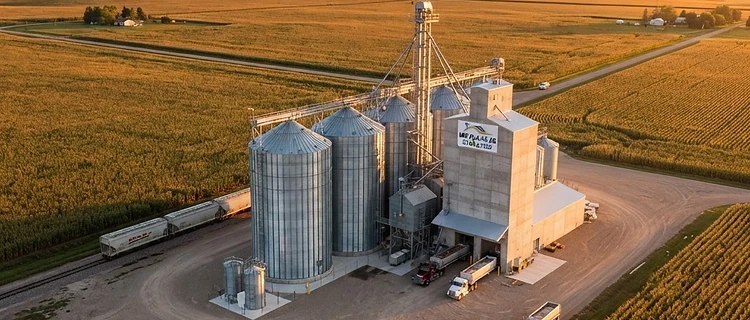
Agrodity quick take: Markets are entering a high stakes period as traders position themselves ahead of the September 11 USDA report. With corn and soybean yields under scrutiny due to late summer weather stress, producers should prepare for increased price swings and evaluate their current marketing positions. ## What's happening: Recent market activity shows a tug of war between supply concerns and export demand. Key developments include: China has emerged as a dominant buyer, securing over 80 percent of recent new crop soybean sales. Corn futures have shown firming tendencies post Labor Day, while soybeans have faced downward pressure. Traders are closely watching the upcoming USDA Crop Production and WASDE reports, which are expected to provide updated yield estimates following late summer weather stress across the Midwest. Physical shipments for corn and wheat remain robust, currently outpacing the volumes required to meet USDA projections for the marketing year. ## Why it matters for grain marketing: The current market environment is defined by uncertainty. While bullish speculative positioning suggests potential for price support if yields are cut, the risk of a sharp correction remains if the USDA data fails to meet aggressive market expectations. For the American farmer, this means the window for capturing value is narrowing as harvest momentum builds. Balancing the need for cash flow with the desire to avoid selling into a potential post report dip is the primary challenge for the next two weeks. ## Agrodity playbook: 1. Review your storage capacity and logistics plan to ensure you can hold grain if market volatility creates unfavorable basis levels at harvest. 2. Analyze your break even costs against current futures prices to identify specific targets for incremental sales. 3. Monitor local basis trends closely, as regional supply gaps often create opportunities that national futures charts might miss. 4. Use the upcoming USDA report as a trigger point to reevaluate your hedge or forward contract strategy rather than reacting emotionally to immediate price moves.
corn soybeans usda grain marketing harvest