All postsMarket Analysis
Post WASDE Correction: Why Weather Is Retaking The Driver Seat
Grain markets cooled after the August WASDE report as technical selling and profit taking shifted focus back to late August weather and crop development.
August 14, 2026· By Agrodity
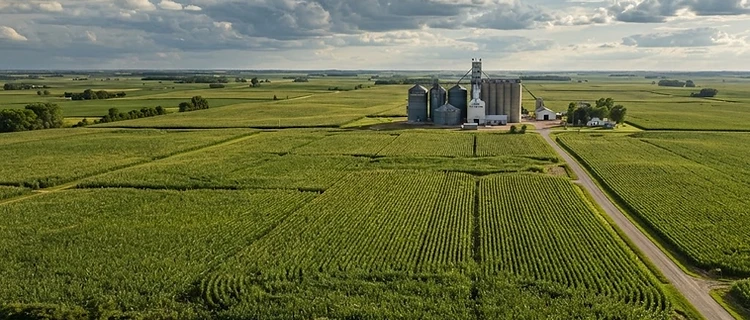
Agrodity quick take: The market rally following the August WASDE report proved short lived as traders pivoted to profit taking and technical selling. With the USDA yield cut now priced in, the focus for the remainder of August shifts squarely to weather patterns and their impact on final crop development. ## What's happening: The USDA August WASDE report lowered the U.S. corn yield forecast from 183.0 to 180.7 bushels per acre, yet total production remains projected above 16 billion bushels. Following the report, September corn futures dropped 9 cents to $4.48 per bushel, while December corn fell 8.75 cents to $4.72. Forecasts indicate 1 to 2 inches of rain for parts of Iowa, Illinois, and Indiana through Monday, but drier conditions are expected in Minnesota and the Plains from August 20 to August 26. Export demand remains a bright spot, with 52.6 million bushels of U.S. corn sold for the week ending August 6. ## Why it matters for grain marketing: The market is currently caught between a massive supply narrative and the reality of tightening yield potential. While the USDA yield reduction provides a floor for prices, the sheer volume of the projected crop means that any sustained rally requires consistent export growth or significant weather stress. For farmers, this creates a high stakes environment where basis levels and local storage capacity become the primary tools for protecting margins against futures volatility. ## Agrodity playbook: 1. Monitor local basis: As futures consolidate, focus on capturing strong local basis offers that reflect regional supply gaps. 2. Evaluate storage: With a large crop expected, ensure your on farm or commercial storage plans are finalized before the harvest rush. 3. Watch the weather: Pay close attention to late August heat forecasts in the Plains and Minnesota, as these could trigger a quick return of weather premiums. 4. Review input costs: Use current price dips to lock in remaining input needs for the next cycle if your operation allows for early procurement.
corn soybeans market analysis weather usda