Harvest Progress Meets Export Demand as Markets Navigate Volatility
As U.S. harvest gains momentum, farmers must balance early yield reports with shifting export demand and ongoing geopolitical supply risks.
Agrodity quick take
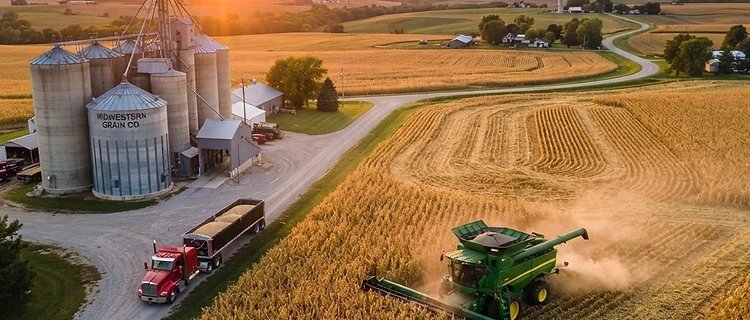
U.S. harvest activity is accelerating across the Corn Belt, providing the first real look at 2026 yields. While farmers focus on field logistics, global export demand and weather-related supply concerns continue to drive price volatility in both corn and soybean markets.
What's happening
- USDA NASS reports indicate corn harvest is at 8 percent complete, slightly ahead of the five-year average of 6 percent.
- Soybean development shows 44 percent of the crop dropping leaves, outpacing the 37 percent five-year average.
- Recent market sessions have seen a broad commodity rally, fueled by renewed Chinese soybean buying and ongoing concerns regarding Black Sea supply stability.
- Excessive rain in parts of the Midwest has slowed localized progress, raising questions about potential quality impacts and harvest delays.
- Winter wheat planting is underway at 8 percent, trailing the 12 percent five-year average as producers manage tight windows between harvest and seeding.
Why it matters for grain marketing
For the American farmer, the current market environment is a balancing act between physical harvest realities and speculative price swings. While early yield data helps refine production estimates, the recent surge in export interest provides a potential floor for cash bids. However, the combination of regional weather disruptions and high-stakes trade discussions means that basis levels could remain unpredictable throughout the fall.
Producers should prioritize monitoring local elevator capacity and basis trends, as logistics often tighten during peak harvest weeks. Understanding how your specific crop quality compares to regional averages will be critical when negotiating sales in a market that is reacting sharply to both domestic supply and international demand signals.
Agrodity playbook
- Track local basis daily: Use the Agrodity marketplace to compare cash bids across multiple elevators to identify the best regional opportunities.
- Prioritize storage management: With harvest moving quickly, ensure your on-farm storage is ready to capture potential basis improvements later in the season.
- Evaluate forward contracts: Use current price rallies to lock in profitable margins on a portion of your crop, especially if you have concerns about storage capacity.
- Monitor quality reports: Keep detailed records of moisture and test weights as you harvest, as these factors will heavily influence your final net price at the scale.