All postsMarket Analysis
September WASDE Yield Adjustments and Harvest Reality
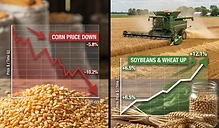
The latest USDA report confirms record soybean production and steady corn yields, signaling a critical time for producers to manage basis and storage.
September 17, 2026· By Agrodity
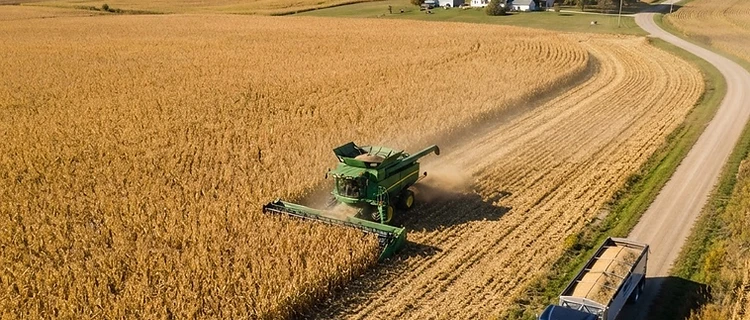
Agrodity quick take: The September USDA reports have arrived, confirming a record soybean crop and steady corn production estimates. For farmers, this data confirms that supply pressure is real, making local basis management and storage strategy the most important tools for the coming weeks. ## What's happening: * The USDA projects corn yield at 178.5 bushels per acre with total production reaching 15.8 billion bushels. * Soybean production estimates were raised to a record 4.535 billion bushels, with yields nudged up to 52.8 bushels per acre. * Harvest is officially underway, with national corn harvest progress reaching 5 percent as of early September. * Local cash markets continue to show signs of caution, with weak basis levels suggesting that elevators are already preparing for a heavy influx of new crop grain. ## Why it matters for grain marketing: While futures markets react to national supply figures, your bottom line is dictated by the local cash price. The combination of record soybean production and steady corn yields means that storage capacity will be at a premium this fall. If you are relying on futures to carry your profit margin, you may be disappointed by the local basis, which reflects the logistical reality of moving a massive crop. Producers who have not secured storage or evaluated their local basis trends risk selling into the seasonal harvest low. ## Agrodity playbook: 1. Audit your local basis: Compare your local elevator bids against historical averages to identify if you are being penalized for local supply gluts. 2. Prioritize storage: If you have on farm storage, use it to avoid the widest basis periods during the peak of harvest. 3. Evaluate forward contracts: Use the current futures levels to lock in profitable margins for a portion of your crop, but keep a percentage unpriced if you believe basis will strengthen post harvest. 4. Monitor logistics: Keep a close eye on local transport availability, as high production volumes often lead to shipping delays that can further pressure cash prices.
corn soybeans harvest wasde basis