November WASDE Analysis: Market Reaction to Yield and Export Data
As the November USDA report lands, farmers must weigh record production estimates against shifting export demand and global supply competition.
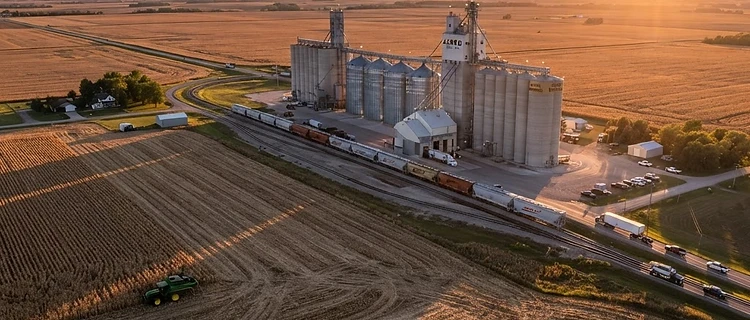
Agrodity quick take
The November USDA report provides a critical baseline for grain markets as harvest wraps up and producers look toward 2027. While record production figures continue to weigh on futures, strong export commitments offer a potential floor for prices that farmers should monitor closely.
What's happening
- USDA reports indicate that U.S. corn and soybean harvests are nearing completion, with progress tracking ahead of historical averages.
- Global wheat markets remain sensitive to geopolitical tensions and production shifts in Russia and Ukraine, keeping volatility high.
- Export inspections for soybeans remain robust, though corn shipments face stiff competition from South American supplies.
- Input costs and storage economics remain top of mind as producers evaluate their marketing strategies for the remainder of the marketing year.
Why it matters for grain marketing
The current market environment is defined by a tug of war between record domestic supply and the need for sustained export demand. With futures prices under pressure, the basis market becomes your most important tool for capturing local value. Understanding how your local elevator is positioned relative to regional export demand can help you identify opportunities to move grain even when national futures appear bearish.
Furthermore, the global supply outlook suggests that while U.S. production is high, international buyers are actively seeking reliable sources. If export pace continues to exceed expectations, we may see a tightening of ending stocks that could provide a much needed spark for price recovery in the coming months.
Agrodity playbook
- Audit your current storage capacity and compare it against local basis levels to determine if holding grain for a potential seasonal rally is economically viable.
- Review your 2027 input cost projections now, using current market prices to lock in margins where possible.
- Monitor weekly export inspection reports to track whether actual shipments are keeping pace with USDA projections.
- Diversify your marketing approach by utilizing a mix of cash sales, forward contracts, and basis contracts to manage risk throughout the winter months.