All postsMarket Analysis
Market Volatility Intensifies: Assessing Yield Risks and Supply Shifts
Recent crop ratings and yield projections are fueling market volatility as farmers and buyers navigate tightening supply expectations.
August 28, 2026· By Agrodity
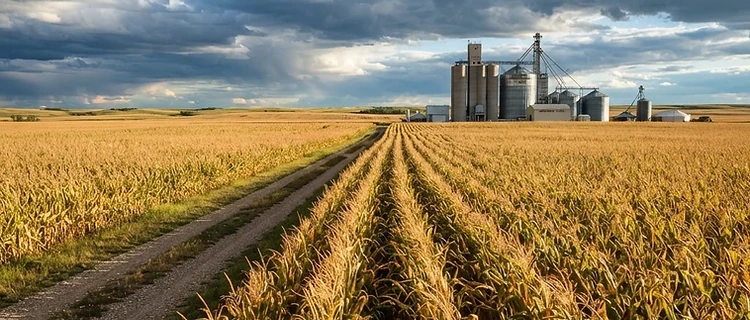
Agrodity quick take: Recent declines in U.S. crop ratings and lower yield estimates from the Pro Farmer Crop Tour have injected fresh volatility into the grain markets. Farmers should prepare for continued price swings as the industry balances these supply concerns against ongoing export demand and harvest logistics. ## What's happening: * Pro Farmer Crop Tour estimates for 2026 U.S. corn yield sit at 173.2 bushels per acre, notably below the USDA forecast of 180.7 bushels. * Weekly USDA crop progress reports show corn rated good to excellent has fallen to 57 percent, a three percentage point decline. * Market sentiment remains sensitive to weather patterns, with heat stress and excessive rainfall impacting key Midwest production areas. * Export demand remains a critical variable, with cumulative corn shipments up 26 percent year over year despite recent fluctuations in weekly sales data. ## Why it matters for grain marketing: The disparity between official USDA projections and private field surveys creates a significant information gap that traders are currently pricing into the futures market. For the producer, this means basis levels and cash prices may experience rapid adjustments as the market attempts to reconcile potential production shortfalls with actual harvest results. With little cushion in ending stocks, any further negative weather news or export surprises could trigger sharp price movements. Farmers must remain vigilant, as the current environment rewards those who understand their local basis and have a clear plan for managing inventory during periods of heightened uncertainty. ## Agrodity playbook: 1. Audit your current storage capacity and identify local basis opportunities that may arise from regional supply gaps. 2. Review your break even costs against current futures levels to determine realistic targets for remaining 2026 crop sales. 3. Monitor weekly USDA export sales reports to gauge if international demand is absorbing the current supply or if domestic stocks are likely to build. 4. Maintain open communication with your local elevator to track delivery windows and potential logistical bottlenecks as harvest approaches.
corn soybeans market analysis usda grain marketing