Low Water, High Stakes: Navigating Basis Volatility Ahead of Harvest 2026
With Mississippi River levels dropping and USDA acreage updates settled, U.S. grain farmers must pivot to managing basis risk and logistics for fall delivery.
Agrodity quick take
As we move into August, the focus is shifting from crop conditions to transportation bottlenecks. With the Mississippi River showing signs of seasonal lows, basis risk is increasing even as futures stabilize after the July WASDE report.
What's happening
- Mississippi River gauges at Memphis and St. Louis are trending toward restrictive levels, threatening barge capacity and increasing freight costs.
- The July USDA report confirmed a slight uptick in soybean acreage, putting pressure on November futures as supply expectations rise.
- Corn silking progress is ahead of the five-year average, but localized heat stress in Nebraska and Kansas is capping yield potential for some producers.
- Export demand for U.S. sorghum remains robust, though logistics constraints could dampen near-term movement to gulf ports.
Why it matters for grain marketing
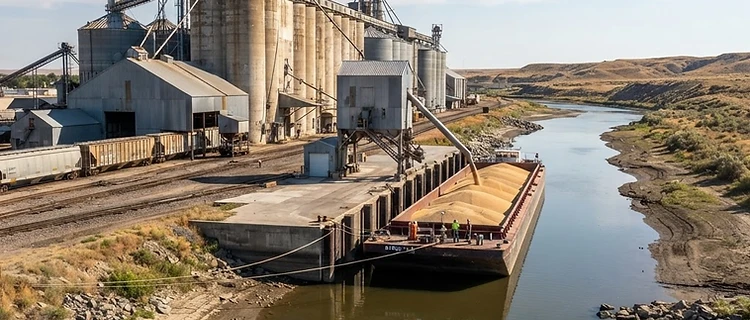
The weather premium is beginning to erode in the futures market, but physical grain prices are increasingly sensitive to regional logistics. For farmers near the river system, a drop in barge depth translates directly into wider basis at the local elevator. This creates a disconnect where futures might hold steady, but the check in hand for the farmer drops due to freight surcharges. Conversely, those with on-farm storage have a significant advantage if they can wait out the early-harvest logistical squeeze.
Agrodity playbook
- Lock in basis contracts now if you are reliant on river delivery for September or October to avoid seasonal widening.
- Evaluate on-farm storage readiness to avoid being a forced seller during potential low-water peaks.
- Monitor the Agrodity bid board for interior processors who are not river-dependent and may offer stronger basis bids.
- Consider rolling a portion of old-crop sales if bin space is needed, rather than taking a distressed price at the elevator.