Harvest Acceleration Meets Market Pressure as Supplies Weigh on Prices
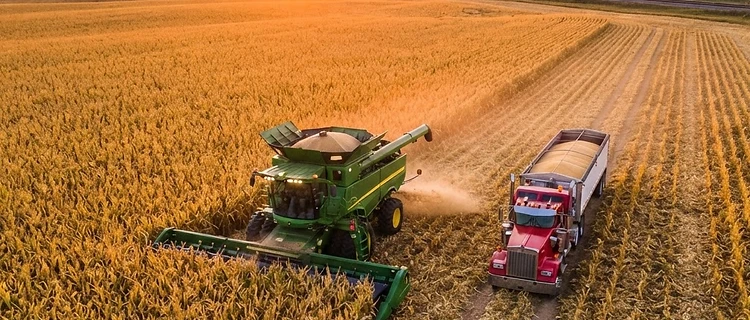
As harvest activity gains momentum across the Corn Belt, U.S. grain markets are navigating increased supply pressure and shifting export demand.
Agrodity quick take
As harvest activity accelerates across the U.S. heartland, grain markets are feeling the weight of anticipated supply abundance. Producers should prepare for increased basis volatility as local elevators manage the incoming flow of new crop corn and soybeans.
What's happening
- Harvest progress is picking up speed in key producing states, bringing a massive volume of grain into the supply chain.
- Recent USDA data and market reports indicate that futures prices for corn and soybeans have faced downward pressure as traders digest expectations for robust production.
- Export commitments for new crop corn remain strong, showing significant growth compared to the same period last year, which provides a potential floor for demand.
- Managed money positions in the futures market have shown high volatility, reflecting uncertainty regarding global supply and shifting trade dynamics.
Why it matters for grain marketing
For the U.S. farmer, the current market environment is defined by the tension between strong export interest and the immediate reality of harvest time supply. When harvest accelerates, the influx of grain often widens basis levels at local elevators, creating a challenge for those looking to move crop immediately. Understanding your local basis and storage capacity is critical as the market works to price in the total size of the 2026 crop.
While futures prices have faced headwinds, the strength in export commitments suggests that global buyers are active. Farmers who have secured storage or have flexible marketing plans are better positioned to wait out the initial harvest rush, potentially capturing better value as the market stabilizes post-harvest.
Agrodity playbook
- Monitor local basis levels daily to identify opportunities where your local elevator may be offering premiums to attract supply.
- Evaluate your on-farm storage capacity and prioritize moving grain that cannot be stored to avoid excessive commercial drying or storage fees.
- Review your break-even costs against current futures prices to determine if forward contracting or hedging a portion of your remaining crop makes sense for your cash flow needs.
- Stay updated on weekly export sales reports to track whether international demand continues to outpace last year's figures, which could support price recovery.