Tighter Feed Grain Stocks Collide with Harvest Cash Basis Softness
USDA cuts projected feed grain ending stocks while harvest pressure tests local cash basis, demanding disciplined physical marketing.
Agrodity quick take
USDA feed grain balance sheets are tightening ending stocks projections, yet futures pullbacks and oncoming combines are placing familiar seasonal pressure on regional cash basis. While long term balance sheets show fundamental support, immediate elevator logistics and storage capacity dictate nearby cash profitability. Producers must separate flat price movements from localized basis opportunities to capture value over the coming weeks.
What's happening
- USDA feed grain projections point to lower ending stocks, tightening total carryout expectations across major producing regions.
- Chicago and Kansas City futures contracts experienced downward pullbacks, with corn, soybeans, and wheat seeing pressure from active harvest movement.
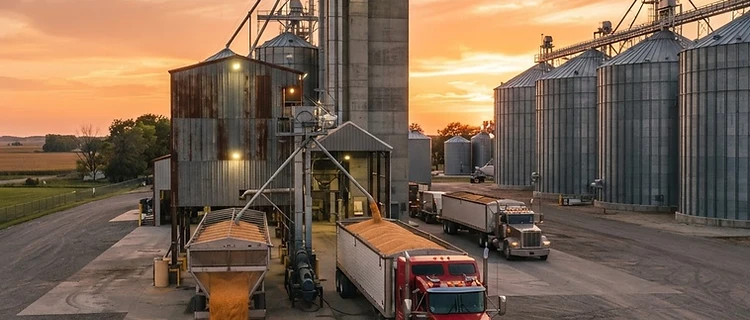
- Commercial river terminals and interior elevators are widening harvest basis bids to manage heavy seasonal intake and protect logistics margins.
- High carry in deferred futures spreads provides incentive for commercial handlers to push deliveries toward post harvest windows.
Why it matters for grain marketing
When national ending stocks contract while harvest bids soften, marketing discipline becomes essential. Farmers face the classic harvest paradox: bullish supply arguments over the medium term, but steep cash penalties for uncommitted bushels hitting local elevators during peak field activity. Selling unhedged grain directly off the combine into defensive cash bids locks in the lowest basis of the year.
Commercial buyers and livestock feeders recognize that tightening balance sheets will limit surplus supplies later in the crop year. As a result, processors and interior elevators are willing to reward structured deferred contracts. Producers who evaluate their exact on farm storage costs against futures carry can protect physical grain margins rather than absorbing freight and commercial drying discounts at congested receiving facilities.
Agrodity playbook
- Audit on farm bins: Store dry, high quality corn and soybeans first to avoid forced deliveries into wide harvest basis bids.
- Lock basis on commercial storage: If utilizing third party bins, establish basis contracts during post harvest recoveries rather than settling on spot discount scales.
- Capture market carry: Calculate return on deferred delivery by comparing spring futures premiums against bin holding and interest carrying expenses.
- Target domestic buyers: Solicit direct bids from regional livestock integrators and ethanol plants that need steady pipeline supplies beyond the commercial river corridor.