Pod-Fill Stress Meets River Volatility: Navigating the Late-July Pivot
Declining crop ratings and a shrinking Mississippi River are creating a high-stakes marketing window for U.S. corn and soybean producers this harvest season.
Agrodity quick take
The U.S. grain market is currently caught between two opposing forces: heat-driven yield concerns and a logistical bottleneck on the Mississippi River. While declining crop ratings often signal a price floor, the widening river basis due to low water levels is emerging as the primary threat to farm-gate profitability heading into August.
What's happening
- Condition Drop: The latest USDA Crop Progress report shows both corn and soybean good-to-excellent ratings fell to 63% this week, a significant 3-4 point drop caused by a stubborn heat ridge across the Western Corn Belt.
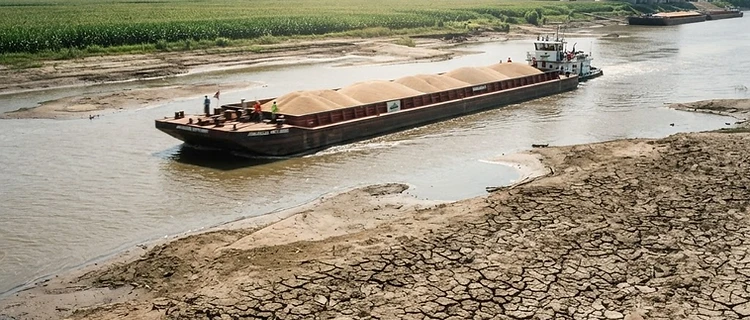
- Logistics Crisis: For the fourth consecutive year, the Mississippi River south of St. Louis is hitting critical low-water marks. Barge operators are already reducing draft loads, which has sent freight rates climbing and interior river basis widening.
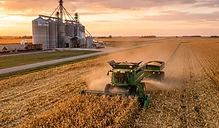
- Accelerated Development: Crops are moving fast, with 47% of soybeans setting pods and 25% of corn in the dough stage, both well ahead of five-year averages. This leaves a narrowing window for rain to salvage top-end yield potential.
- Export Spark: China recently booked 736,000 metric tons of U.S. soybeans, providing a rare demand-side rally, even as Argentina begins competing aggressively for the Chinese corn market.
- Macro Headwinds: The Federal Reserve's July 29 meeting has markets on edge, with potential interest rate shifts and persistent energy inflation weighing on broad commodity sentiment.
Why it matters for grain marketing
For the American farmer, the "weather premium" usually seen in late July is being cannibalized by the cost of transport. Even if futures prices rally on yield concerns, the actual price you receive at the elevator could stay flat or even decline if river terminals can't move grain out efficiently. This year, the marketing battle will likely be won or lost on basis management rather than just timing the peaks on the Chicago board.
Furthermore, the speed of crop maturity means harvest pressure will arrive early. With the 2026 corn crop still projected to be the second-largest on record despite the heat, the risk of a post-harvest supply glut is high. Managing the pod-fill window means watching the rain, but also watching the river gauge at Memphis and St. Louis just as closely.
Agrodity playbook
- Lock in Basis Early: If you are within 100 miles of a river terminal, use Agrodity to compare basis levels and lock in your delivery slots before barge restrictions tighten further in August.
- Incremental Sales on Heat Rallies: Use any 10, 20 cent weather-driven bounces in December corn or November bean futures to scale into 10-15% of your remaining unpriced production.
- Audit On-Farm Storage: Given the logistical risks at the river, ensure your on-farm bins are ready to hold grain through the harvest peak to avoid taking a "fire sale" price at the peak of basis weakness.
- Monitor the Dough Stage: For corn, the transition to dough stage is critical. If your local moisture remains low, tighten your yield expectations now to avoid over-committing on forward contracts.
- Watch the FOMC Signal: A hawkish Fed could strengthen the U.S. Dollar, making our exports less competitive. Be prepared to act if the dollar spikes post-meeting.