All postsFutures & Basis
River Levels and Rate Spikes: Securing Your 2026 Harvest Basis
As Mississippi River levels drop and barge rates climb, farmers must act now to protect their harvest basis from widening logistics costs.
July 31, 2026· By Agrodity
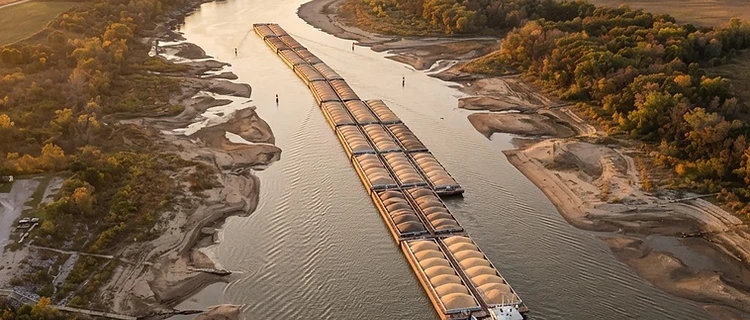
Agrodity quick take\nFalling water levels on the Mississippi River are beginning to trigger barge draft restrictions, leading to a sharp rise in freight costs just as the 2026 harvest approaches. For farmers, this means that even if futures remain stable, local basis is likely to widen, eating into the bottom line at the elevator.\n\n## What's happening\n- Barge draft restrictions have been implemented at key points on the Lower Mississippi due to receding water levels.\n- Southbound barge freight rates have jumped 15-20% in the last two weeks as tow sizes are reduced.\n- USDA's latest Crop Progress report shows corn and soybeans at 68% and 66% good-to-excellent, respectively, maintaining expectations for a large crop.\n- Export demand for U.S. corn remains steady, but logistics bottlenecks are threatening the competitiveness of Gulf deliveries against South American supplies.\n\n## Why it matters for grain marketing\nThe widening gap between futures prices and local cash bids is the primary risk for the next 60 days. With a large crop expected, the pressure on the logistics system will be immense. If the river levels continue to recede, inland elevators will fill up quickly, forcing them to drop bids significantly to discourage deliveries. Farmers who haven't secured their basis yet could find themselves basis-long during the peak of harvest, leaving them vulnerable to significant price drops at the local scale regardless of what happens in Chicago.\n\n## Agrodity playbook\n1. Lock in basis for at least 30% of your expected harvest delivery to mitigate river-related volatility.\n2. Audit your on-farm storage capacity now to ensure you have the flexibility to bypass local elevators if basis widens too far.\n3. Monitor the St. Louis and Memphis river gauges; a drop below negative five feet usually triggers the next tier of draft reductions.\n4. Consider alternative delivery points, such as domestic processors or rail-loading facilities, that aren't dependent on river logistics.
Basis Logistics Corn Soybeans Mississippi River