September WASDE Trims Corn Yield to 178.5 as Fund Profit-Taking Pressures Cash Bids
USDA trimmed corn yields to 178.5 bpa while managed funds took profits, leaving commercial basis bids vulnerable as fall harvest kicks off.
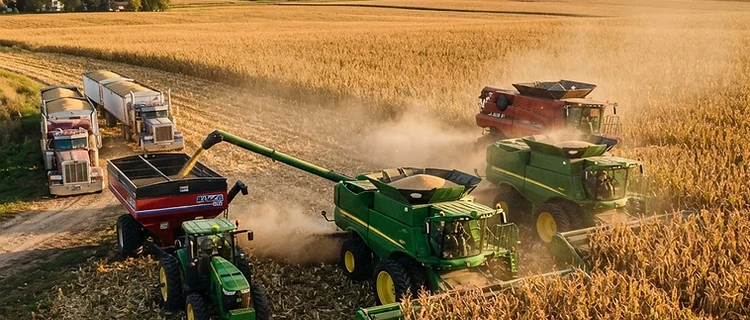
Agrodity quick take
The USDA confirmed tighter production margins by cutting its national corn yield estimate to 178.5 bushels per acre while holding soybean production nearly flat. However, instead of extending the late summer price rally, futures faced defensive profit taking as managed money liquidated long positions, shifting the pricing burden directly onto local cash basis. For commercial producers, the coming weeks require disciplined cash sales and proactive bin management rather than waiting for another speculative rally.
What's happening
- The USDA lowered the national average corn yield to 178.5 bushels per acre, coming directly in line with trade expectations after hot, dry weather stress late in the season.
- Soybean production saw a minor upward nudge, while 2026/27 export targets remained steady at 1.66 billion bushels amid quiet spot demand from China.
- Managed funds triggered risk off selling across Chicago futures contracts, pulling December corn back toward the $5.30 mark and taking profits in soybeans after multi-month highs.
- Export inspections for U.S. corn demonstrated robust movement at over 65 million bushels weekly, largely supported by strong buyer interest out of Mexico.
- High crude oil values and elevated diesel costs continue to squeeze freight margins, driving wide basis spreads between river terminals and interior country elevators.
Why it matters for grain marketing
When a USDA production reduction is fully digested by the market ahead of the print, the classic buy the rumor, sell the fact dynamic often takes over. Commercial elevators and river terminals are heading into the main fall harvest with high operating costs and elevated working capital demands, making them hesitant to widen basis bids just as grain movement accelerates.
Because speculative traders are cutting length rather than chasing rallies, farmers cannot count on futures to carry the freight. The real battlefield over the next thirty days will be physical cash delivery terms, freight efficiency, and on farm storage returns. Keeping grain moving into committed commercial processing slots or securing protected bin space will determine bottom line profitability far more than holding out for speculative futures spikes.
Agrodity playbook
- Lock in cash sales for off combine bushels: Do not leave unpriced bushels exposed to harvest basis discounts at the local elevator pit.
- Calculate true storage carrying costs: Factor in high interest rates and commercial storage fees before deciding to hold unpriced corn or beans past November.
- Compare regional basis values: Look beyond your closest delivery point to evaluate feedlots, ethanol plants, and regional processors that are actively bidding to buy spot grain.
- Separate futures and basis decisions: Use basis contracts or hedge to arrive structures if you expect local processing demand to tighten cash basis later this fall.