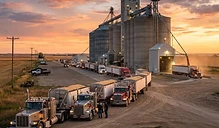
Harvest Delays and Stocks Data: Navigating October Market Headwinds
Midwestern rains are slowing harvest progress while traders brace for the latest USDA Grain Stocks report to set the tone for new crop pricing.
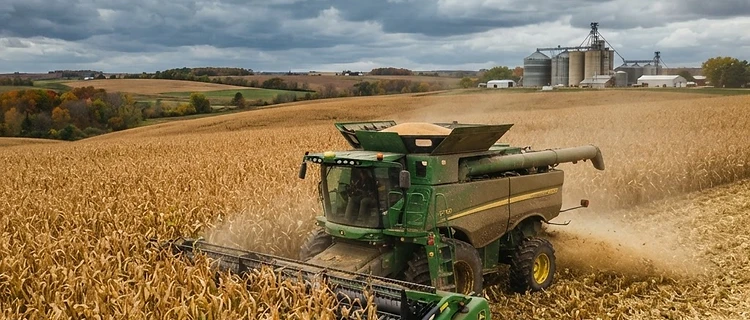
Agrodity quick take
Harvest momentum is hitting a speed bump as Midwestern rains delay field operations, keeping the market in a wait and see mode. With the latest USDA Grain Stocks report on the horizon, producers should prepare for potential volatility as the industry reconciles actual inventory levels against current supply expectations.
What's happening
- Harvest progress for corn and soybeans is currently trailing historical averages due to recent precipitation across key production regions.
- Analysts are closely monitoring the upcoming USDA Grain Stocks report, with expectations for domestic soybean supplies to tighten slightly compared to last year.
- Weather forecasts indicate additional rainfall in the Midwest, which threatens to extend field delays and complicate logistics for local elevators.
- Global wheat export competition remains fierce, with EU shipments trending slightly above last year, adding pressure to international price discovery.
Why it matters for grain marketing
The combination of harvest delays and critical inventory data creates a high stakes environment for cash marketing. When field progress slows, basis levels can become erratic as local buyers scramble to secure supply to meet immediate delivery commitments. Farmers who understand their local basis trends can better navigate these temporary supply chain bottlenecks.
Furthermore, the September 1 grain stocks report serves as the definitive baseline for the new marketing year. Any surprise in these numbers can trigger sharp moves in futures, making it essential for producers to have their target price levels clearly defined before the report hits the wire.
Agrodity playbook
- Review your local basis levels daily to identify opportunities where elevator demand for immediate delivery creates a premium.
- Ensure your storage facilities are ready to handle potential moisture issues if harvest delays force you to combine crops at higher levels.
- Set firm price targets for your remaining unpriced inventory to avoid emotional selling during post report volatility.
- Communicate regularly with your local merchandiser to understand how regional logistics and weather are impacting their specific intake capacity.