Supply Shocks and Planting Delays: Capitalizing on the Mid-Year Grain Rally
Global supply disruptions in Russia and Brazil combined with U.S. planting delays have triggered a significant rally in grain futures this season.
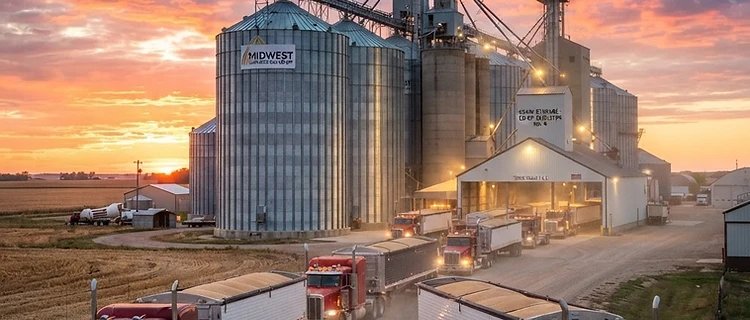
Agrodity quick take
Recent supply-side shocks in Russia and Brazil have intersected with persistent rainfall across the U.S. Corn Belt, sending grain futures to multi-month highs. For the U.S. producer, this volatility creates a prime opportunity to lock in prices for remaining old-crop inventory and scale into new-crop hedges.
What's happening
- Russian Wheat Downgrades: Severe frost and ongoing drought in Russia’s key growing regions have led analysts to slash production estimates, fueling a surge in Chicago and Kansas City wheat futures.
- Brazil's Climate Crisis: Catastrophic flooding in Rio Grande do Sul has disrupted the tail end of the soybean harvest and impacted logistical infrastructure, tightening the global oilseed outlook.
- U.S. Planting Pace: USDA Crop Progress reports indicate that while corn and soybean planting is moving, frequent rain events in the Eastern Corn Belt have kept planters idle, raising concerns about potential acreage shifts or late-season yield drags.
- Basis Firmness: Local basis remains unseasonably strong in many regions as commercial buyers struggle to draw out grain from farmers who are focused on field work.
Why it matters for grain marketing
This market environment represents a shift from the "demand-driven" bear market of the winter to a "supply-scare" bull market this spring. The rally in wheat has provided a tailwind for corn, even as domestic stocks remain relatively comfortable. The primary risk now is missing this pricing window if weather patterns normalize and the U.S. crop gets into the ground successfully.
For buyers and brokers, the increased volatility means basis management is critical. With futures moving higher, the cost of carry is rising, and securing physical supply now, before the transition to new-crop, is becoming more expensive. Farmers should monitor the spread between old and new crop prices, as the current inversion in some markets offers a reward for immediate delivery.
Agrodity playbook
- Sell the Rallies: Use current spikes in wheat and corn futures to finish marketing the last 10-20% of your 2023 stored grain.
- Review Hedges: Start layering in incremental sales for 2024 corn and soybeans, targeting levels that cover your rising input costs.
- Watch the Weather Window: If a clear 5-day window appears in the forecast, coordinate with your local elevator or Agrodity broker to schedule deliveries before you head back to the field.
- Monitor Global Headlines: Keep a close eye on Russian export policy changes; any talk of export quotas could provide another leg up for domestic prices.
- Check Your Basis: Don't just look at the board; call your local buyers to see if they are pushing basis to meet immediate milling or export needs.