Harvest Pressure and Global Trade: Navigating November Grain Markets
As U.S. harvest nears completion, farmers face seasonal price pressure compounded by Black Sea trade uncertainty and upcoming USDA supply reports.
Agrodity quick take
U.S. grain markets are currently navigating a dual challenge of seasonal harvest pressure and heightened geopolitical uncertainty. While strong export sales provide a floor for prices, traders are holding their breath for the upcoming USDA WASDE report and potential shifts in Black Sea shipping dynamics.
What's happening
- The U.S. soybean harvest is 88 percent complete, tracking ahead of the five-year average, while corn harvest progress remains steady.
- Export demand shows resilience, with recent large sales of corn to Mexico and South Korea, alongside consistent soybean interest from China and Spain.
- Global markets are reacting to upcoming peace talks regarding Black Sea grain corridors, which have introduced volatility into wheat and corn futures.
- Brazil is actively planting its 2026/27 crop, with progress currently outpacing last year, adding long-term supply competition to the global outlook.
- Traders are closely monitoring the November 10 USDA WASDE report for potential adjustments to production and ending stock estimates.
Why it matters for grain marketing
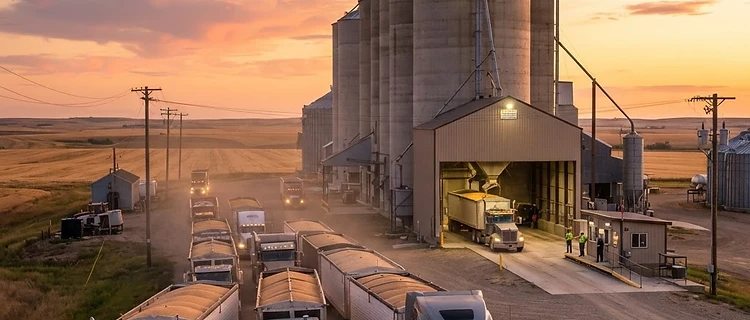
For the American farmer, the current environment is defined by the tug-of-war between record-pace harvest logistics and global demand signals. While the physical influx of grain into elevators typically softens local basis, the recent uptick in export commitments suggests that international buyers are actively looking to secure U.S. supplies. Farmers should recognize that while futures prices are currently sensitive to geopolitical headlines, the underlying fundamentals of U.S. production and export demand remain the primary drivers of long-term value.
Agrodity playbook
- Monitor your local basis levels closely, as harvest-time storage constraints can create temporary opportunities for those with on-farm capacity.
- Review your remaining unpriced inventory ahead of the November 10 USDA report, as the data release often triggers significant market volatility.
- Evaluate your forward-selling strategy by incorporating current export sales data, which can help identify windows of strength in a market otherwise pressured by seasonal supply.
- Stay informed on Black Sea developments, but focus your marketing decisions on your specific cost of production rather than reacting to speculative headlines.