Harvest Pressure and Export Demand: Navigating November Grain Markets
As the fall harvest concludes, U.S. grain producers face seasonal price pressure while monitoring critical export demand from Mexico and South Korea.
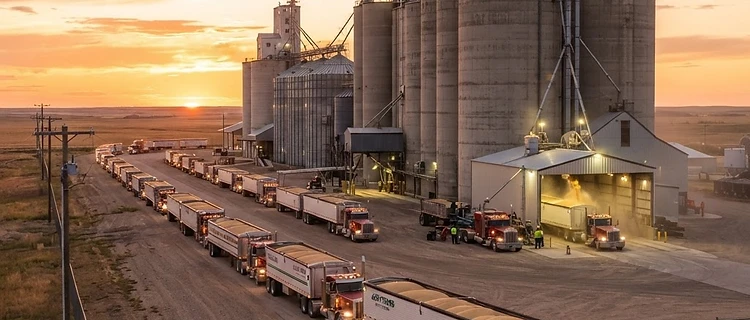
Agrodity quick take
Seasonal harvest pressure continues to weigh on grain prices as the fall field work wraps up across the U.S. While supply remains abundant, recent export activity to key partners like Mexico and South Korea provides a necessary floor for market sentiment.
What's happening
- Seasonal harvest pressure remains the primary driver of bearish sentiment in early November.
- Recent private export reports show significant sales, including 1.7 million metric tons of corn to Mexico and additional shipments to South Korea.
- Logistics are tightening as mid-November river navigation schedules approach, placing increased reliance on the rail network.
- Global competition remains fierce, with Brazilian sorghum and Argentine corn continuing to challenge U.S. market share in international trade.
Why it matters for grain marketing
The sheer volume of the current harvest is temporarily outstripping immediate buying interest, creating a challenging basis environment for producers. Farmers must balance the need to move grain against the reality of rising operational costs, including fuel surcharges and transportation bottlenecks.
While export demand is showing signs of life, the market is sensitive to macro factors and global competition. Producers should focus on local basis levels and regional logistics, as these will be the most immediate indicators of profitability as we move toward the end of the year.
Agrodity playbook
- Monitor local basis levels daily to identify opportunities where regional demand might offset broader market weakness.
- Review your storage capacity and grain quality to determine if holding inventory is more profitable than selling into current harvest lows.
- Coordinate with your local elevator or broker to understand upcoming rail and river logistics constraints that could impact your delivery window.
- Evaluate your input costs for the upcoming season, as current financial headwinds make precise margin management essential for long term sustainability.