Harvest Momentum and Yield Expectations: Navigating November Grain Markets
As harvest nears completion, farmers face seasonal price pressure while looking ahead to the upcoming USDA production report for potential yield adjustments.
Agrodity quick take
Seasonal harvest pressure continues to weigh on corn and soybean prices as field activity nears the finish line. With the USDA November Crop Production report on the horizon, market participants are balancing current supply abundance against potential yield downgrades.
What's happening
- Corn futures have recently tested four month lows as the U.S. harvest progresses rapidly across the Midwest.
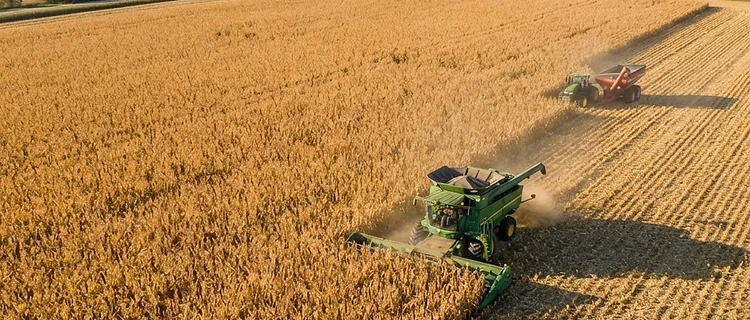
- USDA reports indicate that over 60 percent of the U.S. corn harvest was complete as of late October, with favorable weather keeping combines moving.
- Analysts are closely watching the November 9 USDA report, with some anticipating a slight downward revision to the national corn yield estimate of 181.2 bushels per acre.
- Global export competition remains fierce, with reports of Russia utilizing alternative shipping routes and Argentina positioning for its own upcoming harvest.
- While export sales have seen some recent activity, total commitments for the 2026 to 2027 marketing year remain behind the pace set in the previous year.
Why it matters for grain marketing
For the American farmer, the current market environment is a test of patience and storage capacity. The combination of heavy seasonal supply and sluggish export commitments is capping rallies, making it difficult to find profitable windows for cash sales. However, the potential for a yield downgrade in the November USDA report provides a glimmer of hope for a supply side correction that could offer better pricing opportunities.
Producers must weigh the cost of holding grain against the risk of further price erosion as the harvest window closes and wetter weather patterns emerge. Understanding your local basis and storage costs is critical, as the market is currently rewarding those who can manage their inventory through the seasonal glut.
Agrodity playbook
- Prioritize finishing harvest while weather conditions remain favorable, as early November forecasts suggest a shift to wetter patterns.
- Review your storage capacity and local basis levels to determine if holding grain is more economical than selling into the current harvest lows.
- Prepare for the November 9 USDA report by stress testing your marketing plan against potential price volatility following the data release.
- Monitor export sales reports closely to identify if global buyers are stepping up their procurement, which could signal a shift in demand sentiment.