Harvest Momentum and Export Uncertainty: Navigating Late September Grain Markets
As the U.S. harvest accelerates, farmers face a complex market landscape defined by shifting export demand and anticipation of key USDA inventory data.
Agrodity quick take
As the fall harvest gains momentum across the Midwest, grain markets are balancing localized supply pressure against global trade uncertainty. Farmers should prioritize monitoring basis levels and storage capacity as the market digests the latest USDA inventory data and evolving export signals.
What's happening
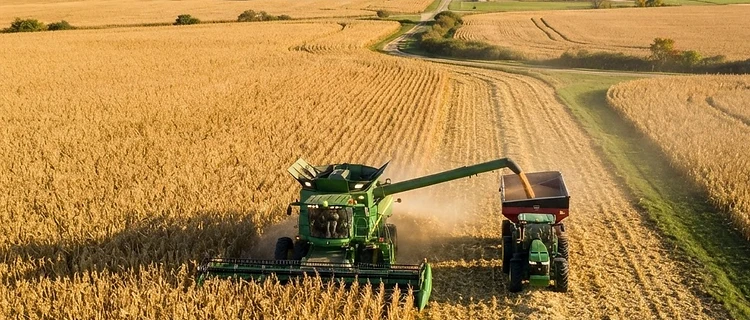
- The U.S. corn and soybean harvest is actively underway, with combines moving through fields across the Midwest.
- Markets are currently processing the latest USDA quarterly Grain Stocks report, which provides critical updates on inventory levels as of September 1.
- Trade sentiment remains sensitive to ongoing negotiations regarding U.S. agricultural exports to China, with recent reports suggesting potential for normalized trade flows.
- Futures markets have shown mixed reactions, with corn prices facing technical pressure while soybeans have attempted to find support on renewed export interest.
- Logistics and global supply constraints, particularly in the Black Sea region, continue to provide a defensive backdrop for global grain pricing.
Why it matters for grain marketing
The current market environment is a classic tug of war between seasonal harvest pressure and fundamental supply concerns. When harvest accelerates, local basis levels often widen as elevators manage incoming volume, which can temporarily suppress cash prices regardless of futures performance. For producers, this makes the timing of sales and the utilization of on farm storage essential tools for managing cash flow.
Furthermore, the uncertainty surrounding export demand means that any positive news regarding trade agreements could provide sudden, short term price support. Farmers should remain vigilant, as the market is currently prone to volatility based on both domestic yield reports and international trade headlines.
Agrodity playbook
- Monitor your local basis levels daily to identify opportunities where elevator demand might be stronger than the regional average.
- Evaluate your on farm storage capacity to avoid forced sales during the peak of harvest when basis is typically at its weakest.
- Review your break even costs against current cash bids to determine if partial sales are necessary to cover immediate operating expenses.
- Stay informed on export developments, as any shift in trade policy could create rapid, localized opportunities to capture better pricing for soybeans and corn.