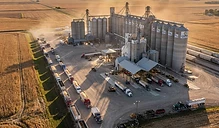
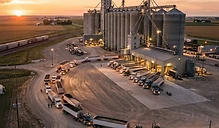
Harvest Logistics and Export Demand: Navigating Late October Grain Markets
As harvest nears completion, farmers face a complex landscape of shifting export demand, logistical hurdles, and evolving storage economics.

Agrodity quick take
As the U.S. harvest enters its final stages, farmers are balancing aggressive cash sales with persistent logistical challenges and fluctuating global demand. While harvest pressure remains a primary driver of local basis, producers must now navigate the added complexity of rising transportation costs and uncertain export momentum.
What's happening
- Harvest progress continues across the Midwest and Plains, though upcoming wet weather may create localized delays in the final fields.
- Elevators and cooperatives are reporting higher than average ownership positions as farmers prioritize cash sales over on-farm storage.
- Logistical concerns persist, with low water levels on the Mississippi River impacting barge capacity and increasing freight costs for export-bound grain.
- Export demand remains a focal point, with recent private sales of soybeans to unknown destinations providing some support, even as global competition remains fierce.
- Transportation and fuel costs are putting pressure on margins, forcing grain merchandisers to manage risk in a capital-intensive environment.
Why it matters for grain marketing
For the American farmer, the current market environment is defined by the tension between immediate cash flow needs and the long-term cost of storage. With many producers opting to sell at harvest rather than store, the burden of risk management has shifted toward local elevators. This shift, combined with elevated freight rates and potential river navigation issues, means that basis levels could remain volatile as the industry works to move the remaining crop to end users.
Furthermore, global market signals are sending mixed messages. While domestic supply is ample, international competition and geopolitical factors continue to influence export pace. Farmers who understand their local basis and the cost of moving grain to the nearest terminal will be better positioned to capture value in a market where logistics are becoming as important as the futures price itself.
Agrodity playbook
- Monitor local basis closely: With elevators holding higher inventory, watch for widening basis levels that could signal a need for space or a slowdown in local demand.
- Evaluate storage economics: Compare the cost of commercial storage against the potential for basis improvement in the spring, especially if you have the capacity to hold grain.
- Factor in freight: When calculating your net return, account for the current volatility in trucking and barge rates, which may impact your final cash price.
- Diversify marketing tools: If you have already sold your physical grain, consider using futures or options to maintain market exposure if you believe prices have further upside potential.
- Stay ahead of weather: Use the current window of favorable conditions to finish harvest, as incoming moisture could impact grain quality and increase drying costs.