Grain Stocks and Logistics: Assessing November Market Shifts
As harvest concludes, shifting grain stocks and agribusiness earnings are creating new dynamics for U.S. producers and buyers to navigate.
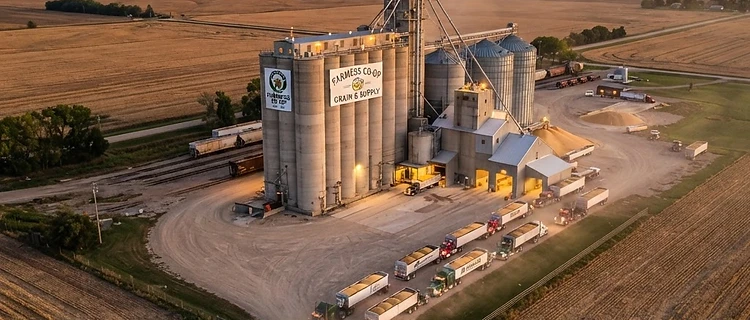
Agrodity quick take
Recent data indicates a tightening of grain stocks and evolving logistics patterns as the industry moves past the peak harvest window. Farmers should prepare for localized basis volatility as agribusiness earnings reflect changing supply chain efficiencies and regional demand.
What's happening
- Recent USDA data highlights significant shifts in grain storage levels across mills, elevators, and on farm locations.
- Major agribusiness players like CHS are reporting strong net income, signaling robust activity in grain logistics and processing sectors.
- Regional basis levels are showing sensitivity to freight costs and localized delivery requirements, particularly in the Pacific Northwest.
- Global trade dynamics remain influenced by geopolitical factors and ongoing shifts in international grain procurement strategies.
Why it matters for grain marketing
For the U.S. producer, the current environment demands a closer look at local basis rather than just futures prices. With storage levels fluctuating, the cost of carry and the availability of space at local elevators will dictate the profitability of holding grain versus immediate delivery. Agribusiness earnings suggest that while logistics networks are functioning, the cost of moving grain remains a critical variable that can erode margins if not managed proactively.
Buyers and brokers should monitor these logistics trends closely, as the efficiency of the supply chain directly impacts the reliability of delivery timelines. Understanding the interplay between regional stock levels and processor demand is essential for securing favorable contracts in a market that is increasingly sensitive to transportation bottlenecks and storage capacity constraints.
Agrodity playbook
- Audit your current storage capacity and compare it against local elevator basis offers to determine if holding grain provides a clear financial advantage.
- Monitor regional freight costs and delivery bids, as these are currently driving significant variance in net returns for corn and soybeans.
- Review your marketing plan to incorporate incremental sales targets that capitalize on localized basis strength during periods of logistical tightness.
- Maintain open communication with your local grain merchandiser to stay informed about specific elevator space constraints or regional demand spikes.